Buying a heater doesn’t have to be complicated. You want affordable warmth, but you don’t want flimsy junk that falls apart after one season. That’s why it’s helpful to learn how to compare heater prices.
Read below for actionable tips on choosing a great heater without spending too much money. I will show you what factors matter and what ones you can ignore. By the end of this guide, you’ll know how to pick a heater with confidence.
Determine Your Heating Requirements
Before you start shopping around, determine what you need from a heater. That way, you won’t waste money on unnecessary bells and whistles.
For instance, determine what room or rooms you need to heat. Smaller rooms won’t require as much power as larger ones. Most heaters advertise how many square feet they can heat efficiently.
Ask yourself where and how you’ll use the heater. Will you be moving it around to different rooms? Or will you be leaving it in one location for the entire season? Make sure you get a type designed for your preferred usage.
Know Your Heater Options
There are a few different types of heaters you should know about before shopping. Knowing the differences will allow you to compare prices among similar models.
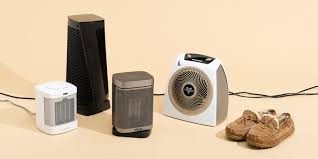
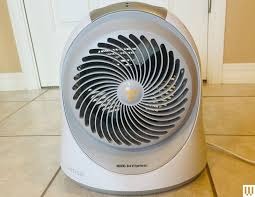
Ceramic heaters heat up quickly and are great for personal use or smaller rooms. These heaters are usually inexpensive and fairly energy efficient. Fan space heaters also distribute heat quickly but can be noisy.
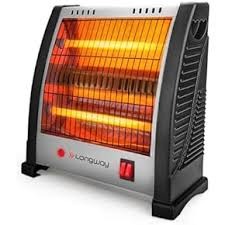
Oil-filled radiator heaters take a while to heat up but retain heat longer. They are great for all-night heating or leaving on all day. These models are typically more expensive but use less electricity. Finally, infrared heaters heat objects instead of air. They’re great for spot heating and outdoor use but won’t heat large rooms.
Look for Energy Efficiency
You don’t want to buy a cheap heater that will run up your electric bill. That’s why it’s important to look at watts and energy-efficiency features.
The average portable heater uses between 750 and 1,500 watts. The higher the wattage, the more your electric bill will be. Ideally, you want a heater that provides enough warmth without drawing too much power.
Look for heaters with adjustable thermostats. This feature allows you to set your desired temperature. The heater will automatically shut off when the room reaches that temperature.
Energy-saving features may include eco modes or programmable settings. These let the heater operate efficiently while using less power. Many of these models pay for themselves within one to two seasons.
Read Reviews From Real Customers
Don’t just trust the claims made on a heater’s sales page. Instead, do your homework by reading customer reviews.
Look for reviews by real customers who have used the heater for months. Listen to consistent complaints rather than focusing on the outliers. If more than one person has the same problem, it’s probably valid.
Take note of things mentioned about durability and construction quality. A heater that falls apart after one winter isn’t worth buying. No matter how good of a deal you may think you’re getting.
Customer service experiences can also be very telling. If you do have a problem, you want a company that will stand behind their product. A strong warranty with good support can make a higher-priced heater a better value.
Compare Warranty Lengths
A strong warranty is a good sign that the manufacturer has faith in their product. Therefore, when comparing prices, always consider warranty length.
Most heaters will offer at least a one-year warranty. Better models will range from two to five years of coverage. Avoid heaters that come with no warranty or one that’s too limited.
Read all the fine print on the warranty as well. Some only cover defects in materials, while others cover parts and labor. Simply having a long warranty doesn’t always mean it’s a better value.
Make sure you keep your receipt and register your heater. That way if anything does happen, you can put warranty to work for you.
Ensure These Safety Features Are Included
Certain heater features are non-negotiable, no matter the price. You should never have to sacrifice any of these safety features.
Tip-over protection shuts the heater off if it’s knocked over. This prevents fires and can help protect pets and children. All heaters on the market should include this feature.
Overheat protection shuts the heater off if it gets too hot internally. Preventing fires and helping your heater last longer. This is another necessary safety feature.
A cool-touch exterior and grill are important if you have children. You don’t want your child to accidentally burn themselves on the heater. Some models come with grill guards for extra protection.
Factor In Longevity
The price of a heater is only part of the overall cost. You should calculate how much owning the heater will really cost you.
Estimate how much it will cost you in energy usage. Find the wattage and multiply that by your electricity rate and hours of use. You should come up with a realistic number for how much it will run you.
Keep maintenance or replacement costs in mind as well. Cheaper isn’t always better if that heater will only last one season. Try to find heaters that strike a balance between initial cost and longevity.
If you plan on selling the heater down the line, consider resale value. Name brand heaters will typically last longer than no-name brands. And they hold their value much better as a result.
Case Study: Buying a Better Heater with Price Comparison (U.K. Households)
One example of how price comparison led UK buyers to better heaters comes from Which? UK. They perform independent electric heater tests on dozens of portable models ranging from budget to feature-rich varieties.
In tests comparing heaters under £100, Which? discovered that ultra-budget models often skipped key safety features or weren’t able to heat the entire room size claimed by the manufacturer. Models in the mid-price range heated rooms more effectively, used less electricity, and earned higher safety ratings from Which?.
The market leader according to their ratings was a heater with balanced price to output ratio and features, which proved to be more affordable over time than cheaply priced heaters sold by online retailers.
Lesson? While it can be tempting to opt for the least expensive heater available, real-world testing by Which? The UK proves that low initial cost isn’t always the best indicator of long-term price to use.
By comparing energy efficiency ratings, safety features, thermostats, and consumer reviews along with price, buyers can find heaters that heat rooms faster and keep them warmer without breaking the bank on power bills or replacement costs.
👉 Check out Which? UK’s electric heater reviews, comparisons, and ratings at https://www.which.co.uk/reviews/electric-heaters/article/best-electric-heaters/best-electric-heaters-from-our-tests-aeXs65b7VHCm
Heater Buying FAQs
Should I assume more expensive heaters are always better?
Price often correlates with quality of build and components. However, more expensive models will not always perform better than moderately priced heaters. Do your research and compare specs/features first.
How can I tell if a heater is more efficient before buying it?
Check the wattage, presence of adjustable thermostat settings, and energy saving modes. Efficient models also tend to include eco settings or timers that automatically lower power usage.
How do I know what wattage to look for when buying?
10 watts per square foot of air space is a good rule of thumb. A 1,500 W heater will usually heat about 150 sq ft room size. A smaller wattage might save you money on the power bill but won’t heat your space as well.
Are customer reviews worth bothering with?
Yes. While any single reviewer could post inaccurate content, reading through dozens of long-term consumer reviews can give you a sense of any repeated problems with the product. If you see the same complaint many times over it’s probably worth taking notice.
What heater safety features are non-negotiable?
Tip-over protection, automatic shutoff if overheated, and certification by a trusted product-testing organization are safety features you should always look for.
Does length of warranty matter when choosing a heater?
Yes, longer warranties suggest manufacturers have confidence in the longevity of their product. Look for heaters with 2–5 year warranties when possible.
Is it better to buy heaters at certain times of the year?
Definitely. Prices go down after the peak heating season ends. Purchase heaters in late winter, early spring, or during major sales events for better discounts.
Buy at the Right Time
Believe it or not, when you buy your heater can impact the price. If you time it right, you can score some huge discounts on quality heaters.
The absolute best time to buy a heater is at the end of winter. Retailers will be looking to clear out their old inventory. That means you can find high-quality heaters at huge discounts in February and March.
Black Friday and Cyber Monday are other great times to purchase a heater. Just make sure you’re not buying something you don’t need just because it’s on sale. If you need your heater sooner, wait until January. Many retailers have mid-season sales to encourage more winter sales.