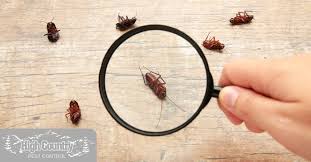
Dental and medical clinics maintain some of the highest hygiene standards of any commercial premises. Floors are disinfected daily, instruments are sterilised, and strict infection control protocols are followed. Yet pest control companies consistently report healthcare facilities among the most common callout locations for cockroach activity.
The reason is rarely poor cleaning. In most cases, the issue lies within the structure of the building itself. The layout, warmth, moisture, and hidden cavities inside clinical environments create ideal conditions for cockroaches to thrive, often completely out of sight.
What Makes Clinical Environments Attractive to Cockroaches
Cockroaches are opportunistic insects. They seek three essential elements: warmth, moisture, and food. Dental and medical clinics unintentionally provide all three.
Sterilisation rooms generate constant heat from autoclaves, ultrasonic cleaners, and other equipment that operate throughout the day. Even after closing hours, residual warmth lingers. This stable temperature is particularly attractive to German cockroaches, a species commonly found in commercial buildings.
Moisture is another key factor. Clinics are plumbing-heavy environments. There are multiple sinks, dental suction systems, drainage lines, hand basins, dishwashers, and sometimes staff showers. Even minor leaks beneath cabinetry or condensation behind walls can create hidden damp zones that cockroaches use for nesting.
Organic waste also plays a role. While clinical waste is disposed of carefully, microscopic residue from dental procedures, food particles in staff kitchens, and even cardboard storage boxes can provide a food source. Staff break rooms, fridges, and snack cupboards further increase the attraction.
Together, these factors create a concealed habitat that exists behind the spotless surfaces patients see.
Where Infestations Establish Without Being Seen
Cockroach infestations in clinics rarely begin in open areas. They establish themselves in concealed voids where routine cleaning cannot reach.
Common nesting areas include wall cavities behind built-in cabinetry and sink units. Dental chairs that are fixed to the floor can conceal pipe penetrations and cable entries beneath them. These entry points are often left unsealed, providing access to internal wall spaces.
Sterilisation rooms are another high-risk zone. Dishwashers and hot water systems create both heat and moisture, two conditions cockroaches favour. Ceiling voids above treatment rooms also offer dark, undisturbed spaces where colonies can grow undetected.
Because these insects are nocturnal, activity usually occurs after hours. By the time a cockroach is spotted during business hours, the colony has often been present for weeks or months.
Why General Pest Sprays Fail in Clinical Settings
Traditional surface sprays are not suitable for clinical environments. Spraying chemical residues around treatment chairs, cabinetry, and sterilisation areas presents obvious contamination risks. It also fails to address the root of the infestation.
An experienced pest exterminator understands that healthcare environments require targeted, low-toxicity solutions. Professional treatment plans typically rely on gel baits placed inside concealed cavities, insect growth regulators that disrupt breeding cycles, and fine dust formulations applied within wall voids. These methods eliminate colonies at the source without contaminating treatment zones or medical equipment.
Monitoring systems are also essential. Sticky traps and discreet bait stations help identify activity levels and confirm whether treatments are working. Without this strategic approach, infestations often return because the nesting sites were never properly treated.
The Compliance and Reputational Consequences
Healthcare facilities are subject to strict regulatory standards. A single pest sighting during a health department inspection can trigger warnings, follow-up audits, or even operational disruptions.
Beyond compliance, reputation is at stake. Patients expect absolute cleanliness in medical settings. If someone spots a cockroach in a waiting area or treatment room, the impact extends far beyond that single appointment. Online reviews and word-of-mouth can quickly damage trust.
For a dental clinic in Sydney operating in a competitive market, reputational harm can outweigh the financial cost of pest control many times over. Prevention is not simply about hygiene; it is about protecting patient confidence and business continuity.
What Every Clinic Should Have in Place
Preventive management is far more effective than reactive treatment. Clinics should schedule quarterly professional pest inspections, even if no activity has been observed. Early detection prevents small issues from becoming full infestations.
Concealed bait stations should be installed in high-risk zones such as sterilisation rooms, kitchenettes, and ceiling voids. All plumbing penetrations and cable entries must be sealed properly to eliminate access points from wall cavities and subfloor areas.
Staff training is equally important. Reception and clinical teams should know how to recognise early warning signs such as droppings, egg casings, or unusual odours. Prompt reporting allows for swift intervention before the issue escalates.
Most importantly, pest management should be integrated into the clinic’s operational procedures, not treated as a one-off emergency response.
Conclusion
Clinical hygiene standards are essential, but they do not automatically prevent pest infestations. Cockroaches exploit warmth, moisture, and hidden structural gaps, not visible dirt.
Dental and medical clinics require commercial-grade pest prevention strategies tailored to sensitive healthcare environments. With routine inspections, targeted treatment methods, and proper building maintenance, clinics can maintain both compliance and patient trust.
Ignoring the structural realities of a building leaves even the cleanest facility vulnerable. Proactive management ensures that what patients see, a spotless, professional space, reflects what is happening behind the walls.
FAQs
Why would a clean clinic still have cockroaches?
Cockroaches are attracted to warmth and moisture more than visible dirt. Plumbing systems, sterilisation equipment, and hidden cavities provide ideal nesting conditions even in spotless environments.
Are cockroaches a common issue in healthcare buildings?
Yes. Pest control providers frequently service medical and dental facilities because their layouts create stable habitats for pests if not properly managed.
Is it safe to use pest control treatments in treatment rooms?
Yes, when handled by a qualified professional. Healthcare-safe methods such as gel baits and concealed dust applications are designed for sensitive environments.
How often should a clinic schedule pest inspections?
Quarterly inspections are recommended for most healthcare facilities to ensure early detection and ongoing prevention.
What is the biggest risk of ignoring a minor pest sighting?
A single cockroach often indicates a hidden colony. Ignoring early signs can lead to compliance issues, reputational damage, and more costly treatment later.