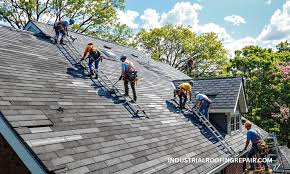
A roof is one of the most important parts of any home, yet many homeowners do not think about it until a problem appears. In a city like Houston, where homes are exposed to intense heat, humidity, strong storms, and seasonal weather shifts, roofing systems experience significant wear over time. Waiting too long to address small issues can lead to larger structural concerns, higher repair costs, and unnecessary stress.
Understanding how roofing systems perform in Houston’s climate can help homeowners make informed decisions before damage becomes severe. Whether you are preparing for a future replacement or simply trying to extend the life of your current roof, taking a proactive approach can save both time and money.
Why Houston Weather Is Tough on Roofs
Houston experiences a combination of environmental factors that can shorten the lifespan of roofing materials. High temperatures, heavy rainfall, hurricane threats, and moisture buildup all place constant pressure on residential roofs.
During summer months, prolonged UV exposure can cause shingles to dry out, crack, or curl. At the same time, humidity creates ideal conditions for mold, algae, and moisture-related deterioration. Strong storms and wind events can loosen flashing, damage shingles, and create hidden leaks that are not immediately visible from the ground.
Because of these conditions, homeowners in the area benefit from regular roof inspections and preventative maintenance. Even newer roofs can develop vulnerabilities if drainage systems are clogged or storm damage goes unnoticed.
Common Signs a Roof May Need Attention
Roofing problems often begin subtly. By the time interior leaks appear, the damage may already be widespread beneath the surface. Recognizing early warning signs can help homeowners address concerns before they become expensive repairs.
Here are several indicators that a roof may need professional evaluation:
- Missing, cracked, or curling shingles
- Water stains on ceilings or walls
- Granules collecting in gutters
- Sagging roof sections
- Increased indoor humidity or mold growth
- Damaged flashing around chimneys or vents
- Rising energy bills caused by poor insulation or ventilation
Even if damage appears minor, it is important to understand the underlying cause. Small roofing issues can spread quickly in humid climates, especially after severe weather.
The Importance of Routine Roof Inspections
Many homeowners wait until visible damage appears before scheduling an inspection. However, preventative inspections are often the best way to extend roof life and avoid emergency repairs.
Professional roof assessments can identify hidden concerns such as trapped moisture, weakened decking, deteriorating underlayment, or storm-related damage that may not be visible from street level. Inspections are especially valuable after hurricanes, hailstorms, or periods of intense rainfall.
In many cases, homeowners who schedule routine inspections are able to make targeted repairs that preserve the integrity of the existing roof for several more years. This proactive strategy can help reduce long-term costs while improving overall home protection.
For homeowners researching reliable options for long-term maintenance and replacement planning, reviewing local expertise related toroofing services in Houston TX can provide helpful insight into common regional roofing challenges and practical solutions.
Choosing the Right Roofing Material
Not every roofing material performs equally in Houston’s climate. Homeowners should consider durability, maintenance requirements, energy efficiency, and storm resistance before making a decision.
Asphalt Shingles
Asphalt shingles remain one of the most common roofing choices because they are affordable and widely available. Modern architectural shingles offer improved durability and weather resistance compared to older designs.
Metal Roofing
Metal roofs are increasingly popular in areas prone to heavy rain and heat. They reflect sunlight effectively, resist wind damage, and often last significantly longer than traditional shingles.
Tile Roofing
Clay and concrete tile roofs provide excellent longevity and strong visual appeal. However, they are heavier than many other materials and may require additional structural support.
Synthetic Roofing Materials
Synthetic products are designed to imitate premium roofing styles while offering lighter weight and improved impact resistance. Some homeowners choose synthetic materials for their balance of aesthetics and durability.
Each option has advantages depending on the structure of the home, budget considerations, and long-term maintenance expectations.
Ventilation and Energy Efficiency Matter More Than Many Realize
Roofing systems do more than protect against rain. They also influence indoor comfort and energy efficiency.
Poor attic ventilation can trap heat and moisture inside the home, forcing HVAC systems to work harder during Houston’s long summers. Over time, excessive attic temperatures may also accelerate shingle deterioration and increase the likelihood of mold growth.
Proper ventilation helps regulate attic conditions, improve airflow, and reduce moisture accumulation. Combined with quality insulation, an efficient roofing system can contribute to lower energy costs and improved indoor comfort throughout the year.
When evaluating roofing upgrades, homeowners should ask questions about:
- Ventilation design
- Insulation compatibility
- Reflective roofing materials
- Drainage systems
- Moisture management strategies
These elements play a major role in overall roof performance and home efficiency.
Why Storm Preparedness Should Be a Priority
Houston homeowners understand that severe weather can arrive with little warning. High winds, hail, and heavy rain can quickly expose weaknesses in an aging roof.
Preparing a roofing system before storm season may help minimize damage and reduce the risk of emergency repairs. Preventative maintenance often includes:
- Securing loose shingles
- Cleaning gutters and drainage areas
- Inspecting flashing and sealants
- Trimming nearby tree branches
- Checking attic ventilation and moisture levels
After major storms, homeowners should document visible damage and arrange inspections promptly. Delaying repairs may allow water intrusion to worsen and potentially affect insurance claims.
Questions Homeowners Should Ask Before Hiring a Roofing Contractor
Selecting a roofing contractor is an important decision that can influence both project quality and long-term roof performance. Homeowners should take time to evaluate experience, communication, and workmanship standards.
Some useful questions include:
- How long has the company worked in the Houston area?
- Are inspections and estimates detailed and transparent?
- What roofing materials are recommended for local weather conditions?
- How are ventilation and drainage addressed?
- What warranties are available?
- What is the projected timeline for completion?
Clear communication and realistic expectations are essential throughout the process.
Final Thoughts
A roofing system is a long-term investment that protects a home from weather, moisture, and structural damage. In Houston’s demanding climate, routine maintenance and informed decision-making can make a significant difference in roof longevity and overall home performance.
Homeowners who stay proactive about inspections, repairs, ventilation, and storm preparation are often better positioned to avoid major problems later. By understanding the challenges posed by Houston’s weather conditions and choosing materials and maintenance strategies carefully, it becomes easier to protect both the property and the investment it represents.