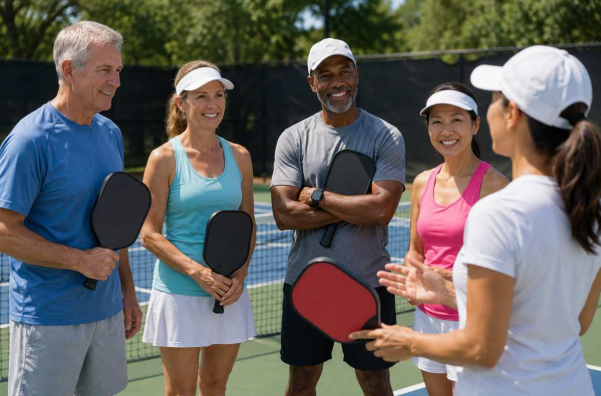
Pickleball has quickly become a popular sport for people of different ages and skill levels. It is easy to learn, enjoyable to play, and provides an excellent way to stay active while meeting other players. However, choosing the right pickleball classes can make a major difference in how quickly you improve and how much you enjoy the sport.
With different instructors, class formats, schedules, and skill levels available, it is important to find an option that matches your goals and experience. Taking time to compare these factors can help you select a class that feels comfortable, useful, and motivating from the beginning.
Know Your Skill Level
The first step in choosing the right pickleball classes is understanding your current ability. Beginners should look for classes designed specifically for people who are new to the sport, where instructors can introduce basic rules, scoring, grips, court positioning, and fundamental shots in a structured way.
If you already have playing experience, introductory classes may not provide enough challenge. Intermediate and advanced players can benefit more from sessions focused on shot selection, strategy, consistency, movement, and competitive play. Being honest about your level helps you avoid classes that feel either overwhelming or too easy.
Define Your Goals
Before enrolling, think about what you want to accomplish. Your goals should influence the type of instruction you choose because different classes may emphasize recreational play, technical improvement, fitness, or competition. Knowing your priorities can make your search much more focused. Consider whether your primary goal is to:
- Learn pickleball fundamentals
- Improve consistency and technique
- Develop better game strategy
- Prepare for tournaments
- Build confidence on the court
- Exercise and stay active
- Meet other players and enjoy social games
Once you know what you want from your lessons, it becomes easier to identify classes that offer the right balance of instruction and practice. Clear goals also give you a useful way to measure whether the classes are helping you progress.
Choose the Right Instructor
A knowledgeable instructor can significantly influence your learning experience. Look for coaches who understand the sport, explain techniques clearly, and provide constructive feedback. When comparing instructors, look for qualities such as:
- Clear and patient communication
- Strong knowledge of pickleball techniques and strategy
- Constructive, individualized feedback
- An encouraging and professional teaching style
These qualities can create positive learning environments where players can ask questions, correct mistakes, and steadily develop their skills.
Consider Class Size
Class size is another important factor. Smaller classes often provide more opportunities for individual attention, allowing instructors to observe your technique, identify mistakes, and offer personalized corrections.
Larger classes can still be valuable, especially for players who enjoy a social environment and want more opportunities to play with different people. If personalized improvement is your priority, choose classes with fewer participants; if social interaction and game experience matter more, larger groups may suit you better.
Before enrolling, ask how many players typically attend and how much individual feedback students receive. This simple question can help you understand whether the class structure matches your expectations.
Look at the Class Format
Pickleball instruction can take several forms. Group classes are a popular choice because they combine instruction, drills, and gameplay while allowing students to interact with other players. They can be especially useful for beginners who want to learn in a supportive setting.
Private classes offer more individualized attention and can be particularly useful when working on specific weaknesses. Semi-private sessions provide a middle ground, while specialized clinics may focus on serving, dinking, volleys, third-shot drops, or court strategy. Choose a format that fits both your learning style and objectives.
Consider how much personal attention you need and whether you learn best through group interaction or focused coaching. The right format can make pickleball classes more productive without making the experience feel unnecessarily demanding.
Check the Schedule
Even excellent pickleball classes will not help if you cannot attend consistently. Review the schedule before signing up and choose a time that works comfortably with your daily routine. Regular attendance gives you more opportunities to practice techniques, receive feedback, and build muscle memory.
If your schedule changes frequently, look for programs that offer flexible sessions or multiple class times. Also consider the location, since a conveniently located facility can make it easier to maintain a consistent routine than a distant program that becomes difficult to reach.
Consistency is important when learning any sport, so choose a schedule that you can realistically maintain. A manageable routine is often more valuable than an ideal class time that you can attend only occasionally.
Evaluate the Facilities
The quality of the playing environment can affect your learning experience. Before enrolling in pickleball classes, consider the condition of the courts, availability of equipment, lighting, safety, and overall organization of the facility. Before choosing a facility, check whether it provides:
- Well-maintained pickleball courts
- Suitable lighting and safe playing areas
- Necessary equipment or loaner paddles
- Enough space for drills and practice games
A facility that meets these basic needs can make classes safer, more comfortable, and more productive. If possible, visit the facility before registering to observe the courts and class setup.
Ask About Practice Opportunities
Learning pickleball requires more than listening to an instructor. Players need regular opportunities to apply new techniques, so ask whether the program includes practice games, supervised sessions, open play, or other ways to continue developing their skills.
Classes that combine instruction with practical gameplay can help you understand how techniques work in real situations. Learning how to perform a particular shot is useful, but knowing when and why to use it during a rally is equally important.
Practice opportunities can also help you become more comfortable under pressure. Applying lessons during realistic rallies allows you to turn new techniques into dependable skills.
Consider Cost and Value
Price should be considered, but it should not be the only deciding factor. Instead of comparing prices alone, consider the overall value offered by each pickleball class program, including the number of sessions, class duration, instructor experience, group size, equipment availability, and additional practice opportunities. For a clearer comparison, consider:
- Number and length of lessons
- Instructor experience and individual attention
- Equipment and facility access
- Opportunities for additional practice
Looking at these factors together can help you choose classes that provide worthwhile instruction rather than simply selecting the lowest-priced option. Also ask about extra charges for equipment, court use, or additional sessions before enrolling.
Try Before Committing
If possible, attend a trial class or introductory session before making a long-term commitment. This gives you an opportunity to evaluate the instructors, class atmosphere, skill level, facilities, and teaching style in practice rather than relying only on advertisements.
During the session, consider whether you feel comfortable asking questions and making mistakes. Supportive pickleball classes can help you develop confidence and stay motivated, while an uncomfortable atmosphere may make it harder to enjoy the learning process.
You can also use a trial session to determine whether the pace is appropriate for you. The best classes should challenge you enough to improve while still allowing you to understand and practice each new skill.
Choose a Class That Fits You
The right pickleball classes should match your skill level, goals, schedule, budget, and preferred learning environment. Avoid choosing a program simply because it is popular or conveniently advertised. Instead, consider what will genuinely help you improve and keep you interested in playing.
A well-matched set of classes can teach you proper fundamentals, strengthen your confidence, and make your time on the court more enjoyable. As your abilities develop, you can move into more advanced lessons or specialized clinics that continue challenging you.
Choosing carefully at the beginning can save time and help you build a stronger foundation. With consistent practice and suitable instruction, you can continue developing your technique, strategy, and confidence on the court.
Why Join Pickleball Athletic Club?
Pickleball Athletic Club offers private and group lessons led by professional, certified instructors, with programs designed to improve technique, strategy, and overall game performance. Its PACademy also provides structured clinic series for different skill levels, helping players build strong fundamentals and progress toward higher levels of play.
The club also provides an all-indoor playing environment with pro-grade courts and a range of clinics, drills, and programs. This combination of professional coaching, structured learning, and a welcoming sports community can make it a practical option for players who want to develop their skills while enjoying the game.
Conclusion
Choosing the right pickleball classes is about finding instruction that supports your individual needs and goals. Consider your skill level, objectives, instructors, class size, schedule, facilities, practice opportunities, and overall value before enrolling.
When you choose a program that fits your needs, you can learn more effectively, build confidence, and enjoy the sport for years to come. Taking the time to make the right choice can turn lessons into a rewarding part of your pickleball journey.
For more information about pickleball learning opportunities, visit: