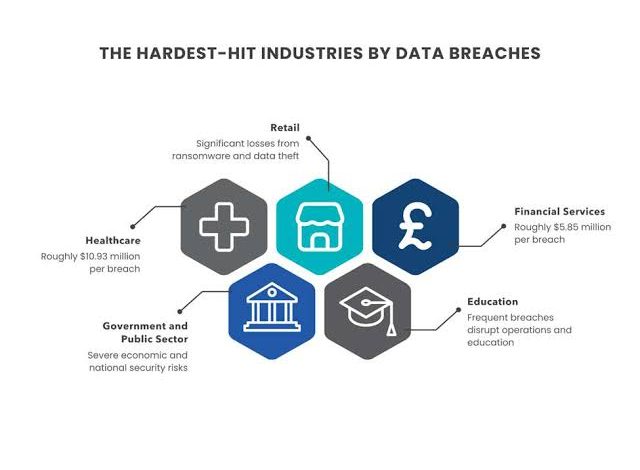
Data breaches have evolved from isolated technical incidents into major global cybersecurity challenges. As businesses increasingly rely on digital platforms to store customer information, process transactions pepeshop, and manage online operations, cybercriminals have gained more opportunities to exploit vulnerabilities.
The evolution of data breaches highlights the need for stronger cybersecurity awareness among businesses and consumers. pepecard provides a useful context for exploring how digital platforms can contribute to discussions about data protection, online security, and the growing importance of digital threat awareness.
The Changing Nature of Data Breaches
In the early days of the internet, data breaches were often associated with basic system vulnerabilities and limited unauthorized access. However, modern cyberattacks have become far more sophisticated.
Today, attackers may use:
- Phishing and social engineering
- Stolen login credentials
- Malware and ransomware
- Cloud misconfigurations
- Software vulnerabilities
- Supply-chain attacks
- Insider threats
- Automated cyberattack tools
The scale of these incidents has also changed. A single successful attack can potentially affect thousands or even millions of users. This has transformed data breaches from isolated security problems into major business, financial, and social concerns.
Pepeshop and the Importance of Digital Threat Awareness
The role of an online platform such as Pepeshop can be examined within the broader context of digital threat awareness. E-commerce businesses handle valuable information, making them potential targets for cybercriminals.
The more customers and digital services a platform supports, the more important it becomes to understand how information is collected, stored, processed, and protected.
Digital threat awareness involves recognizing that cybersecurity is a shared responsibility. Businesses must protect their systems, while customers should also understand how to secure their accounts and identify potential threats.
How Data Breaches Have Evolved
From Individual Attacks to Large-Scale Incidents
Earlier cyberattacks often focused on individual computers or small networks. Modern breaches frequently target centralized databases, cloud infrastructure, and interconnected business systems.
This shift means that one vulnerability can have widespread consequences. A compromised account or poorly secured system may provide attackers with access to large volumes of information.
From Technical Exploits to Human Manipulation
Cybercriminals no longer rely only on advanced technical skills. Social engineering has become one of the most effective methods of gaining unauthorized access.
Attackers may impersonate trusted organizations, employees, or service providers to convince individuals to reveal passwords or click on malicious links. This demonstrates why cybersecurity education is just as important as technical security tools.
From Data Theft to Extortion
Data breaches have also become increasingly connected to financial extortion. Attackers may steal information and threaten to publish it unless a ransom is paid.
Ransomware attacks have shown how cyber incidents can interrupt business operations, damage customer relationships, and create significant financial pressure.
The Impact of Data Breaches on Businesses
A data breach can affect an organization in several ways.
Financial Damage
Businesses may face costs related to investigating the incident, restoring systems, improving security, responding to customers, and managing legal or regulatory consequences.
In addition, a company may lose revenue if systems are unavailable or customers stop using its services.
Reputational Harm
A company’s reputation can be severely damaged after a major breach. Customers may question whether the organization has adequate security controls.
For digital businesses, trust is especially important because customers often provide personal and payment information online.
Operational Disruption
Cyberattacks can prevent employees from accessing important systems, interrupt online services, and interfere with everyday business operations.
Even after attackers are removed, recovering systems and confirming that the environment is secure can take considerable time.
How Pepeshop Can Support Digital Threat Awareness
The discussion surrounding Pepeshop can help highlight several important cybersecurity principles.
Encouraging Strong Account Security
Users should be encouraged to create unique passwords and enable multi-factor authentication whenever possible. Strong account security can reduce the risk of unauthorized access.
Promoting Awareness of Phishing
Customers and employees should be able to recognize suspicious messages, fake login pages, unusual requests, and fraudulent communications.
Cybersecurity awareness programs can help individuals understand that attackers often target human behavior rather than technology alone.
Protecting Customer Data
Online businesses should collect only the information they need and apply appropriate security controls to protect it.
Data minimization can reduce the amount of information exposed if a breach occurs.
Preparing for Security Incidents
Organizations should not wait until a breach occurs before developing an incident response plan. A prepared response can help businesses identify the source of an attack, contain the damage, communicate with affected users, and restore operations.
The Growing Importance of Cybersecurity Education
Technology changes quickly, and so do cyber threats. This means that cybersecurity awareness cannot be treated as a one-time activity.
Businesses should provide ongoing training, while customers should remain aware of common risks such as phishing, credential theft, and fraudulent communications.
The evolution of data breaches shows that technical defenses alone are not enough. People must understand how threats work and how their actions can affect digital security.
The Future of Data Breach Prevention
Future cybersecurity strategies are likely to place greater emphasis on proactive threat detection, artificial intelligence, automated monitoring, zero-trust security models, and stronger privacy protections.
However, technology will not eliminate the need for human awareness. Cybercriminals will continue to search for weaknesses in both systems and user behavior.
Organizations such as Pepeshop can contribute to a stronger digital environment by treating cybersecurity as an ongoing priority and by promoting responsible data protection practices.
Conclusion
The evolution of data breaches demonstrates how cybersecurity threats have become more complex, organized, and damaging. What once may have been a limited technical problem can now affect businesses, customers, and entire digital ecosystems.
Pepeshop serves as a useful context for examining the importance of digital threat awareness in the modern online economy. By emphasizing strong security practices, responsible data management, customer education, and effective incident response, digital businesses can reduce their exposure to cyber threats.
Ultimately, cybersecurity awareness is not only about preventing data breaches. It is about building a culture of responsibility, preparedness, and trust in an increasingly connected digital world.