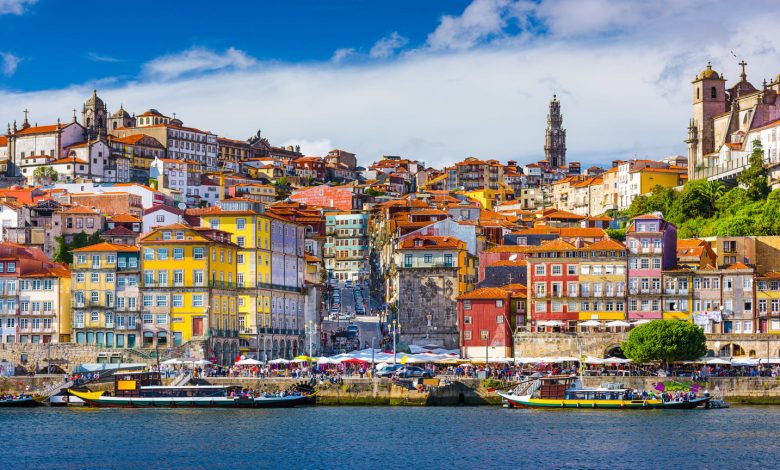
Moving to Portugal is becoming one of the most popular choices for expats, digital nomads, and retirees looking for a better quality of life, warm weather, and a slower pace of living. However, daily life in Portugal is shaped by cultural norms that can feel different at first, especially for newcomers coming from more fast-paced countries. Understanding these expectations early can make settling in much smoother and help you adapt faster to your new environment.
Many people who are Moving to Portugal through relocation services like Instant Relocation often focus on visas, housing, and paperwork first, but cultural adjustment is just as important. Life in Portugal is not only about beautiful cities and beaches but also about learning how locals interact, manage time, and approach everyday routines. This article will guide you through what to expect so your transition feels more natural and less overwhelming.
Understanding Portuguese Daily Lifestyle and Pace of Life
One of the first things newcomers notice when Moving to Portugal is the slower and more relaxed pace of daily life. In many urban areas, people value balance over speed, which means shops may open later, lunch breaks are longer, and evenings are often spent socializing rather than rushing through tasks. This lifestyle can feel refreshing, but it may also require patience if you are used to strict schedules.
Daily routines in Portugal are shaped by tradition and climate, where people often enjoy long meals and take time to connect with family and friends. If you are Moving to Portugal for work or remote living, adjusting to this rhythm can improve your overall experience. Instead of seeing the slower pace as inefficiency, many expats learn to appreciate it as part of a healthier and less stressful way of life.
Cultural Norms Newcomers Should Expect in Portugal
When Moving to Portugal, understanding cultural norms is essential for smooth integration. Portuguese people are generally polite, reserved at first, and value respectful behavior in public spaces. Greetings often include a handshake or light cheek kiss among acquaintances, and showing patience in conversations is appreciated rather than rushing interactions.
Social life in Portugal is warm once relationships are built, but it usually takes time to develop trust. If you are Moving to Portugal, expect that people may initially seem formal, but this changes as you become part of local routines. Respect for elders, appreciation for family values, and polite communication are key parts of everyday interactions that help newcomers feel more accepted over time.
Housing, Neighborhoods, and Settling Into Local Communities
Finding housing is one of the most important steps when Moving to Portugal, and it often defines your first experience of daily life. Cities like Lisbon, Porto, and Faro offer a mix of modern apartments and traditional homes, while smaller towns provide quieter and more affordable options. Rental markets can be competitive, so understanding local expectations is important.
Neighborhood life in Portugal is community-oriented, and people often know their neighbors well. When Moving to Portugal, you may notice that local communities are active, with small shops, cafes, and markets playing a central role in daily life. Settling into a neighborhood involves more than just renting a home; it includes building relationships and participating in local routines that help you feel connected.
Cost of Living and Financial Expectations in Portugal
The cost of living is one of the main reasons people consider Moving to Portugal, as it is generally lower compared to many Western European countries. However, prices vary depending on location, lifestyle, and housing choices. Lisbon and Porto are more expensive, while inland areas offer more affordable living options without sacrificing quality of life.
When Moving to Portugal, it is important to understand financial expectations such as rent, utilities, groceries, and transportation costs. While daily expenses can be manageable, imported goods and certain services may feel more expensive. Planning a realistic budget helps newcomers adjust smoothly and avoid financial stress during the early stages of relocation.
Language, Communication, and Social Integration
Language plays a key role in adapting after Moving to Portugal, even though many Portuguese people speak English, especially in cities and tourist areas. Learning basic Portuguese phrases can significantly improve your daily interactions and help you feel more confident when dealing with services, shops, or local communities.
Social integration becomes much easier when you make an effort to understand the language and communication style. When Moving to Portugal, you will notice that locals appreciate even small attempts to speak Portuguese. Over time, this effort opens doors to deeper friendships and a stronger sense of belonging, making your relocation experience more rewarding.
Bureaucracy, Residency, and Practical Settling Steps
One of the more challenging aspects of Moving to Portugal is dealing with bureaucracy, which is known for being slow and paperwork-heavy. Processes such as residency registration, tax numbers, and healthcare enrollment require patience and careful attention to detail. Many newcomers find it helpful to prepare documents in advance and follow official guidelines closely.
Despite the paperwork, Portugal offers a clear system for residency and legal settlement. When Moving to Portugal, understanding timelines and requirements helps reduce stress and delays. Once completed, these steps provide access to essential services like healthcare, banking, and long-term housing stability, making the effort worthwhile in the long run.
Conclusion
Moving to Portugal offers a rewarding lifestyle change, but it also requires understanding daily cultural norms and adapting to a different rhythm of life. From social etiquette and language learning to housing and bureaucracy, each part of the journey plays a role in shaping your experience as a newcomer. The more you understand these expectations, the smoother your transition will be.For anyone planning Moving to Portugal, preparation is the key to success. Whether you are using relocation guidance from services like Instant Relocation or planning independently, embracing Portuguese culture with patience and openness will help you build a fulfilling life. Over time, what once felt unfamiliar becomes a natural and enjoyable part of your everyday routine.